The Heart behind Sussex Herbal
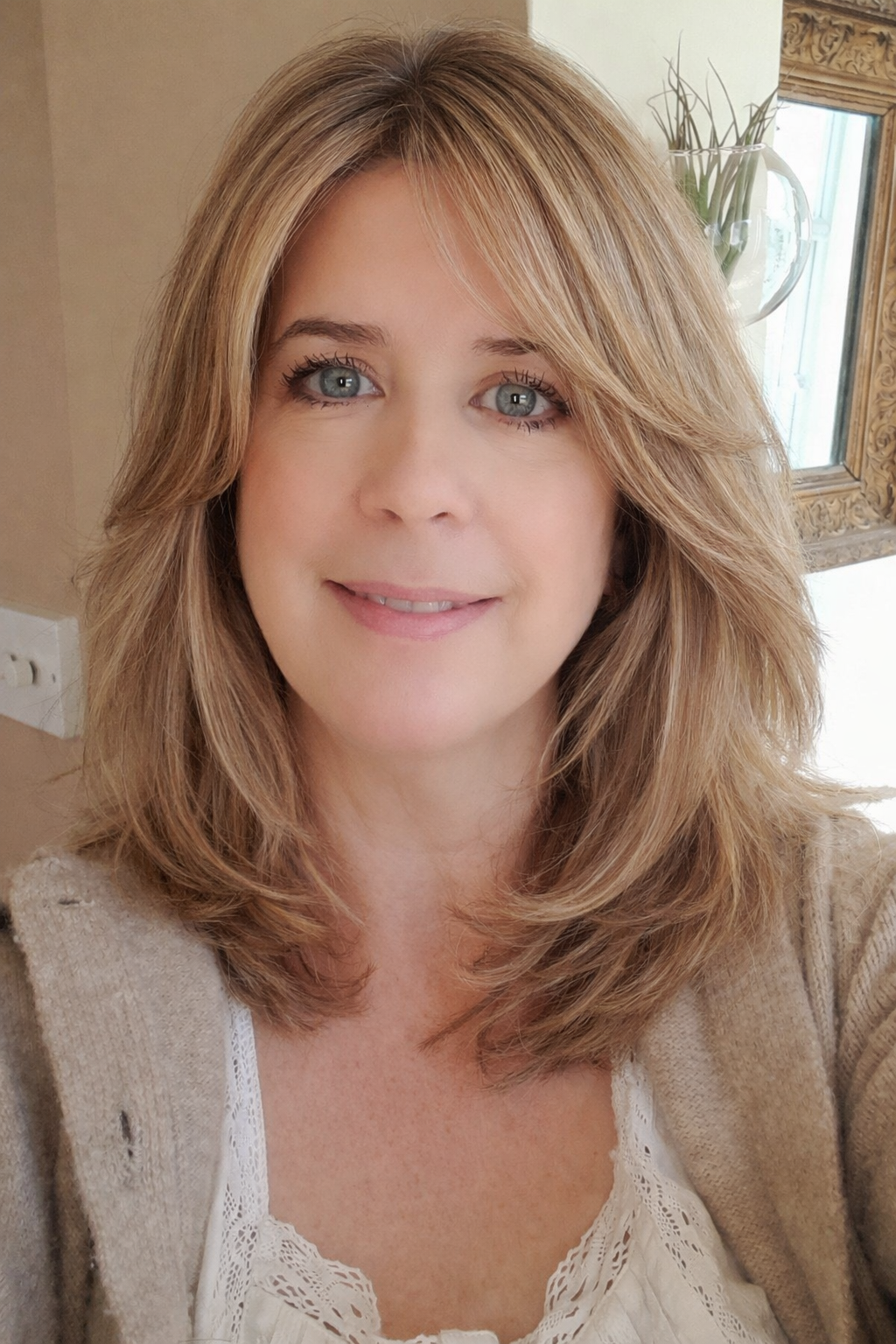
About Sarah
Sarah Turton — Master Medicinal Herbalist, Iridologist & Creator of The Turton Method®
I am a clinically trained Master Medicinal Herbalist and Iridologist, with a particular interest in understanding the relationships between constitution, health history, emotional wellbeing and the patterns that emerge over time.
My work brings together traditional herbal medicine, clinical experience and a structured approach to understanding the whole person.
I am the founder of Oxford Herbal, Sussex Herbal and The Chelsea Herbalist. Across all three practices, I offer the same individualised approach to care, grounded in The Turton Method®.
My Training & Clinical Background
I trained for four years at the Irish School of Herbal Medicine, now Core College Dublin, completing more than 650 hours of supervised clinical practice.
I hold a Licentiate in Master Herbalism and am a qualified Iridologist.
I am also a full member of the Association of Master Herbalists (AMH), where I serve on the education panel and contribute to the AMH journal. These roles allow me to support professional education and the continuing development of herbal medicine.
Before becoming a Herbalist, I spent fourteen years working within Oxford University Hospitals NHS Trust, across ENT, plastic surgery and histopathology.
This experience gave me a familiarity with conventional medical terminology, investigations and the importance of careful clinical assessment.
It continues to inform my practice today, particularly when considering medical histories, existing diagnoses and the appropriate relationship between herbal medicine and conventional healthcare.
I have been in clinical practice for six years, continuing to develop my knowledge through further study and experience.
The Turton Method®
Through my clinical work, I developed The Turton Method® — a structured framework for exploring the wider patterns that influence health.
Rather than considering symptoms in isolation, I look at the relationships between constitution, health history, lifestyle, emotional experiences and changes in the body's capacity over time.
Observation, careful questioning and pattern recognition are central to this work.
Traditional iridology may also inform my constitutional discussions, although it is not used to diagnose or confirm medical conditions.
The aim is to develop a clearer understanding of the individual and use that understanding to guide personalised herbal medicine and practical recommendations.
My Approach to Herbal Medicine
I believe good herbal medicine begins with listening.
People often arrive having already tried numerous approaches. They may have longstanding symptoms, several overlapping concerns or changes in their health that have been difficult to explain.
I take time to understand the whole picture.
My approach combines careful clinical assessment, traditional herbal knowledge and individualised formulations, supported by practical guidance around nutrition, lifestyle and daily habits.
I also recognise that physical and emotional wellbeing are closely connected, and that the circumstances of someone's life can be important when understanding their health.
I prefer simple, carefully considered herbal formulations rather than unnecessarily complicated prescriptions.
Above all, I want clients to develop greater confidence in understanding their own bodies and recognising the changes that matter to them.
The Heart Behind My Practice
My journey into herbal medicine was shaped by my sister Alexandra's illness and my experience of supporting her through it.
During that time, I came to appreciate the importance of looking beyond illness itself and considering the whole person — their comfort, quality of life and individual needs.
Following her death, my connection with the natural world deepened, and my interest in medicinal plants gradually developed into a professional calling.
These experiences continue to influence the way I practise today, bringing together clinical knowledge, compassion and a belief in the value of truly individualised care.
Why Sussex Herbal?
Sussex Herbal reflects my longstanding connection with the Sussex countryside and my appreciation of the relationship between people, plants and the natural world.
The hedgerows, woodlands and chalk landscapes of Sussex have been places of learning, reflection and inspiration.
But Sussex Herbal is first and foremost a clinical herbal medicine practice.
The natural world informs my understanding of traditional plant medicine, while my professional training and clinical framework guide the care I provide.
It is this combination of traditional knowledge, individualised assessment and thoughtful practice that I bring to every consultation.
Who I Work With
I work with people seeking a more individual approach to their health.
Some are living with longstanding or recurring symptoms. Others want to explore their constitution, better understand their wellbeing or receive ongoing support as their needs change.
I offer individual herbal consultations, comprehensive iridology assessments and longer-term programmes through The Turton Method®.
My aim is to provide a thoughtful, supportive environment in which your concerns are taken seriously, your health history is considered carefully and you are encouraged to take an informed role in your wellbeing.
Begin With a Conversation
If you'd like to explore whether my approach is appropriate for you, I offer a complimentary 20-minute discovery call.
It's an opportunity to discuss your concerns, ask questions and understand how we might work together.
In the Media
Herbal Medicine in Conversation
I'm always pleased to contribute to conversations that help people better understand herbal medicine, its traditions and its place in modern healthcare.
Featured in South West Londoner
What Can We Learn from Medicinal Herbalism?
I was delighted to contribute to this feature exploring medicinal herbalism, the work of professional Herbalists and the growing interest in plant-based approaches to wellbeing.
Read the Article — South West Londoner
Listen to Sarah
A Conversation About Herbal Medicine
I recently joined Clarissa Gannon on the PlantFueled Femme podcast to discuss the principles of traditional herbal medicine and why personalised care matters.
We explored the importance of understanding the whole person, working with qualified Herbalists and recognising that herbal medicine is about more than simply taking supplements.
Contact us
Interested in working together? Fill out some info and we will be in touch shortly. We can’t wait to hear from you!